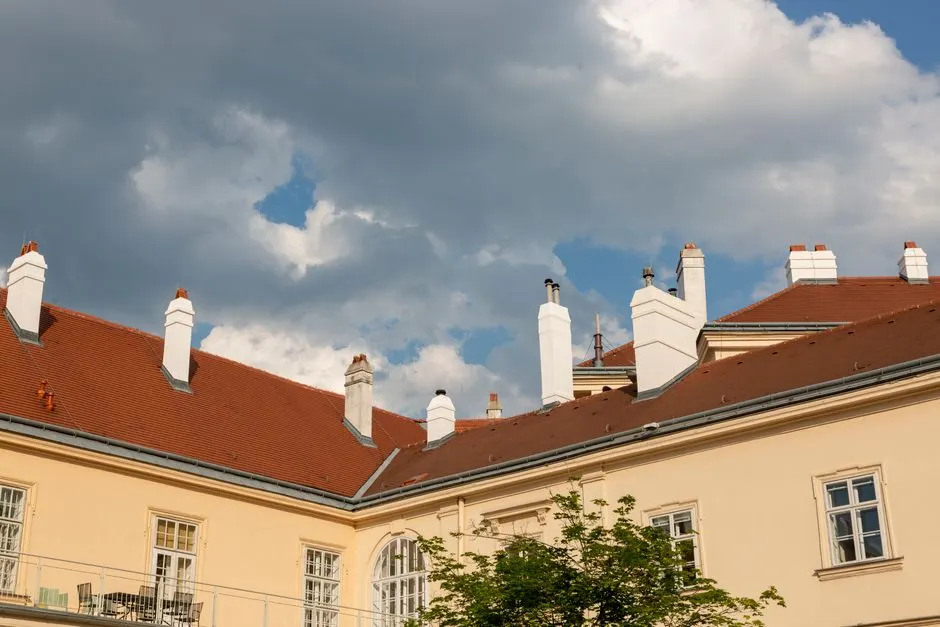
Cleaning a wood stove chimney safely means removing creosote and soot with the right brushes and rods while protecting your roof, your lungs, and your home from fire risk. In Independence, Ohio, where winter burn seasons run from October through March, that job needs to happen at least once a year - and more often if you burn daily. This guide walks you through the tools, the step-by-step process, the mistakes that cause chimney fires, and the point where a professional Chimney Sweep is the smarter call.
Why Wood Stove Chimneys Need Cleaning
Wood smoke deposits creosote - a tar-like, highly flammable residue - on the inside of your flue every time you burn. The more often you burn, and the cooler your fire runs, the faster that layer builds. A quarter-inch of creosote is enough to ignite, and once it does, the fire can hit 2,000°F inside the chimney.
In Independence, the problem is worse than in many suburbs because so many homes still heat with wood stoves as a primary or backup source. Neighborhoods like Chimney Sweep in Downtown Independence have a high concentration of older masonry chimneys that were never lined for modern wood stove temperatures. Those flues crack, and creosote seeps into the gaps.
Three stages of creosote form in a wood stove chimney:
- Stage 1: Sooty, flaky, easy to brush off.
- Stage 2: Hard, shiny, and crusty - needs a rotary brush.
- Stage 3: Glazed, tar-like, and nearly impossible to remove without chemicals or a professional rotary sweep.
If you are seeing Stage 2 or Stage 3, stop burning and get the flue cleaned before your next fire.
How Do I Clean My Wood Stove Chimney Safely in Independence OH?
Safe wood stove chimney cleaning in Independence Ohio follows a fixed sequence: protect the room, access the flue from the bottom or top, brush the full length, and vacuum every surface the soot touched. Skipping any step leaves flammable residue behind.
Here is the process we walk homeowners through:
- Wait for a cold chimney. No fire for at least 24 hours. Creosote can reignite from a single ember.
- Set up the room. Lay drop cloths, seal the stove opening with plastic, and open a window.
- Remove the stovepipe. Detach the connector pipe and take it outside to brush separately.
- Brush the flue. Run a poly brush on flexible rods up from the stove collar, or down from the roof if you have safe access.
- Scrub the smoke shelf and damper. This is where most DIY jobs miss creosote.
- Vacuum everything. Use a HEPA shop vac - a household vacuum will blow fine soot through the house.
- Reassemble and test. Reconnect the pipe, check every joint, and light a small test fire.
If your flue has a cap, a spark arrestor, or a liner, the top-down method is usually faster and cleaner. If you are not comfortable on a roof - especially on a steep Independence pitch in wet fall weather - clean from the bottom.
What Tools Do I Need to Clean a Wood Stove Chimney in Independence Ohio?
You need a chimney brush sized to your flue, flexible rods, a HEPA vacuum, and personal protective gear. The wrong brush size is the number one reason DIY cleanings leave creosote behind.
Here is the short list:
- Chimney brush - poly for stainless liners, wire for masonry. Match the diameter exactly (6", 8", etc.).
- Flexible rods - fiberglass, 3 to 5 feet each, enough to reach the full flue length.
- HEPA shop vacuum - rated for fine ash and soot.
- Drop cloths and plastic sheeting - 6-mil plastic works best.
- N95 respirator, safety glasses, and gloves - creosote is a skin and lung irritant.
- Wire brush and scraper - for the smoke shelf and damper.
- Flashlight or headlamp - you need to see the flue walls to confirm they are clean.
You can buy a basic DIY kit for $80 to $150 in 2026. A professional rotary sweep system, which handles Stage 2 and Stage 3 creosote, runs several thousand dollars - that is why most homeowners call us once the buildup gets hard.
How Often Should I Clean My Wood Stove Chimney in Independence?
Clean your wood stove chimney at least once a year, and every 1 to 2 cords of wood burned. In Independence, where many households burn 3 to 4 cords per winter, that means two cleanings per season.
The Chimney Safety Institute of America recommends inspection and cleaning when creosote reaches 1/8 inch - roughly the thickness of a nickel. You can check that yourself with a flashlight and a mirror before each burn month.
Seasonal timing matters. We recommend a seasonal chimney cleaning Independence OH in early fall, before the first cold snap, and a second check in late January if you burn daily. That schedule keeps creosote from ever reaching Stage 3.
Signs you are overdue:
- Weak draft or smoke rolling back into the room.
- A strong, bitter smell even when the stove is cold.
- Visible black flakes falling into the firebox.
- A crackling or popping sound during a burn - that is creosote igniting.
Is It Safe to Clean a Wood Stove Chimney Myself in Independence OH?
Yes - DIY wood stove chimney cleaning in Independence is safe if your flue has only light, Stage 1 soot, you can access it without climbing a steep roof, and you use the right brush and HEPA vacuum. It becomes unsafe the moment you are dealing with hard creosote, a damaged liner, or a chimney you cannot fully see.
Roof access is the biggest risk. Independence has a lot of two-story colonials with 8/12 to 12/12 pitch roofs, and fall leaves make them slick. A fall from 20 feet is not worth saving a $200 cleaning fee.
If your flue is lined with stainless, use only a poly brush - wire brushes scratch the liner and create crevices where creosote hides. If your chimney is unlined masonry, that is a bigger problem than cleaning. Call us for a chimney inspection Independence OH before you burn another season.
Common Mistakes and What to Watch Out For
The mistakes that cause chimney fires are almost always the same five, and every one of them is avoidable. Watch for these on your next cleaning:
- Brushing only the visible flue. Creosote collects above the damper and on the smoke shelf - areas most homeowners never reach.
- Using the wrong brush size. A brush that is too small skips the walls; too large jams and bends rods.
- Skipping the stovepipe. The horizontal connector pipe collects as much creosote as the vertical flue.
- Vacuuming with a shop vac not rated for ash. Fine soot passes through the filter and coats your house.
- Cleaning a warm chimney. Even a small ember can reignite creosote dust mid-job.
One more: do not burn green or unseasoned wood to "burn out" creosote. It does the opposite - cool, wet smoke deposits more creosote than dry wood. Season your firewood at least 12 months and check moisture with a meter. You want 15% to 20%.
When to Call a Professional
Call a professional when creosote is hard or glazed, when your flue is damaged or unlined, or when you cannot safely reach the top of the chimney. Those are the three situations where DIY cleaning stops being safe and starts being a fire risk.
Our team at FlueSafe Masonry handles the full job - brush, rotary sweep, and a multi-point inspection of the liner, cap, and stovepipe joints - so you know exactly what shape your chimney is in before winter. We also handle wood stove chimney cleaning Independence OH for homeowners who want the creosote gone without spending a Saturday on the roof.
If you have burned more than two cords since your last cleaning, or you see shiny black deposits on the flue wall, that is your signal to book a sweep.
Frequently Asked Questions
How do I clean my wood stove chimney safely in Independence OH?
Wait 24 hours after the last fire, seal the room with plastic, brush the full flue with a correctly sized poly or wire brush, scrub the smoke shelf, and vacuum with a HEPA shop vac. If creosote is hard or glazed, call a professional - DIY brushing will not remove Stage 2 or 3 buildup.
What tools do I need to clean a wood stove chimney in Independence Ohio?
A correctly sized chimney brush, flexible fiberglass rods, a HEPA shop vacuum, 6-mil plastic sheeting, drop cloths, an N95 respirator, safety glasses, gloves, and a flashlight. A basic DIY kit costs $80 to $150 in 2026. Add a wire brush and scraper for the smoke shelf and damper.
How often should I clean my wood stove chimney in Independence?
At least once a year, and every 1 to 2 cords of wood burned. Most Independence households burning 3 to 4 cords per winter should clean twice - once in early fall and once in late January. Inspect for 1/8 inch of creosote before each burn month.
Is it safe to clean a wood stove chimney myself in Independence OH?
Yes, if the buildup is light Stage 1 soot, you can access the flue without climbing a steep roof, and you use the right brush and vacuum. It is not safe with hard or glazed creosote, a damaged liner, or a chimney you cannot fully see. Roof falls are the biggest risk.
What are the signs my wood stove chimney needs cleaning?
Weak draft, smoke rolling back into the room, a bitter smell when the stove is cold, black flakes falling into the firebox, and crackling or popping during a burn. Any of those means creosote has built up enough to restrict airflow or ignite. Stop burning and get the flue cleaned.
Get Help with Chimney Sweep in Independence
If your wood stove chimney has hard creosote, a damaged liner, or you just want it done right before the first cold snap, our team at FlueSafe Masonry is ready. We clean, inspect, and document the full flue so you can burn safely all winter.
Call us at (855) 961-0129 to schedule your wood stove chimney cleaning in Independence.